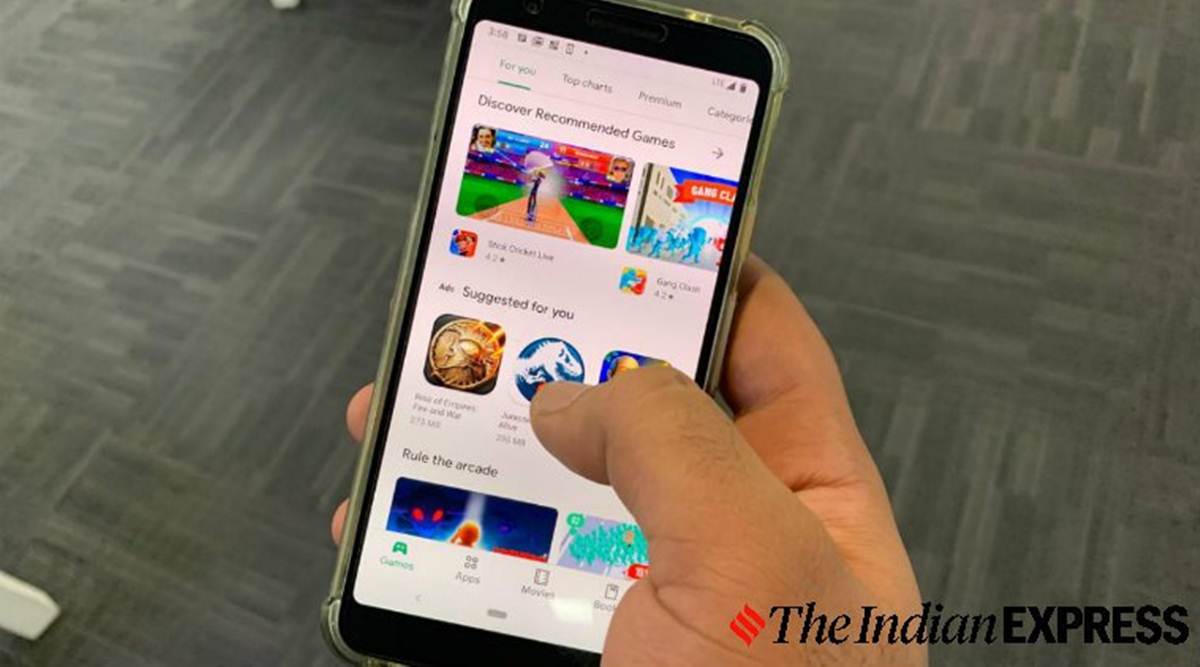
A total of 12 malicious Android apps in the Google Play Store are stealing people’s bank account details, and these apps were downloaded 300,000 times, according to researchers at ThreatFabric.
Researchers at ThreatFabric in a blog post explained that such applications only introduce the malware content through third-party sources after being downloaded from the Google Play store.
The malicious Android apps on the Google Play store spotted by the researchers included QR Scanner, QR Scanner 2021, PDF Document Scanner Free, PDF Document Scanner, Two Factor Authenticator, Protection Guard, QR CreatorScanner, Master Scanner Live, CryptoTracker, and Gym and Fitness Trainer.
Researchers say that these apps are part of four malware families — Anatsa, Alien, Hydra, Ermac— which are designed to steal users’ online banking passwords as well as two-factor authentication codes. The malware even captures what you type and takes screenshots of users’ phones.
Anatsa malware family as per the report, was downloaded over 100,000 times. It should be noted that such apps have positive reviews in the Google Play Store which would make them look more legitimate.
While Google has tried to tackle the problem by introducing several restrictions to seize the distribution of fraudulent apps. But, what makes these apps difficult to detect is that they have a very small malicious footprint, which goes undetected by Google Play Store.
“These applications entice users by offering additional content through such third-party updates. In some cases, the malware operators are said to have manually triggered malicious updates after tracking the geographical location of the infected devices,” the researchers added.
Earlier, in 2020, Joker trojan found its way to Google Play store, affecting users by subscribing them to paid subscriptions without their consent.
However, there are steps you can take to avoid unintentionally installing malware on your device. The most significant in this case, is to to download effective antivirus software, which can scan every new app that’s downloaded and monitor it for any suspicious activity.
A new feature in Microsoft Edge that gives users the option to use a ‘buy now, pay later’ (BNPL) service called Zip, has begun appearing in the web browser for some people offering an alternative way to pay for things – and it’s not going down well with people.
A few weeks ago, Microsoft announced the feature in a blog post, saying that it was partnering with “Zip (previously Quadpay) to offer a BNPL payment option at browser level.”
While some retailers offer buy now, pay later options, by integrating Zip into Edge, it means people can use it on any site. Rather than entering their credit card details, they can use Zip instead, and “any purchase between $35 - $1,000 you make through Microsoft Edge can be split into 4 installments over 6 weeks.”
Microsoft claims its aim is to make it easier for Edge users to pay for products using Zip, however, the change has got many users angry and concerned. With the feature rolling out in early versions of Edge Canary, and coming to all users in the US with Edge 96, more people are now seeing this option and voicing their concerns.
Who is this for?
In Microsoft’s blog post, the majority of the comments about this new feature appear to be negative, leading us to wonder who this feature really is for.
While Microsoft is pitching this as a consumer-friendly feature that gives users more choice in how to pay for products, and making more expensive purchases more easily available to people, it’s clear that both Microsoft and Zip stand to benefit greatly from people using this.
For a start, while it’s not highlighted in the blog post, although Zip offers interest-free payments, you do need to pay $1 for each installment, which equates to $4 for most transactions. With expensive items, a $4 charge may not seem like much, but for lower-priced items that additional charge will be more noticeable. The fact that Microsoft doesn’t mention this charge in its blog post is also concerning.
With Edge coming with every copy of Windows 10 and Windows 11, with Zip included by default that’s a huge potential customer base, and Microsoft will also likely be getting a share of Zip’s profits from the charge every time it’s used.
The clear financial benefits for the two companies has made some people uneasy. Of course, the Zip integration could allow people to more easily buy things by breaking up the payments into installments without having to apply for credit, but there are concerns here as well.
While BNPL can legitimately help people, there’s also the concern that it could encourage people to buy things they cannot afford. And while there’s no interest or credit checks with paying through Zip, if someone misses a payment, their credit score could be negatively impacted. Paying on time won’t have a positive impact, so you’re facing risks without the accompanying reward. According to Zip’s support website, if you miss a payment you could be charged a late fee of $5, and if a payment is rejected by your banks, “a $10 dishonour fee will be applied to your account.”
For people in financial difficulty, these charges could add up fast, so making access to this feature so easy, and without ample warning about the downsides, people may end up using this when they shouldn’t.
The ‘pay later’ part of Zip isn’t much later either, as you pay the installments over six weeks.
Finally, people have also been complaining about how this is yet another feature that’s been added to Edge, making the web browser feel increasingly bloated. When Microsoft released the new version of Edge, based on the same Chromium engine as Google’s competitor Chrome, the web browser got plenty of praise thanks to its improved performance.
However, since then, Microsoft has been adding divisive features such as this that makes the browser feel not just overcrowded, but also gives the impression that Microsoft cares more about making money than providing a good user experience. That’s probably true – Microsoft didn’t become one of the biggest companies in the world by being altruistic – but it’s not a nice feeling anyway.
(Image credit: Pixabay)
Analysis: Proceed with caution
Microsoft’s inclusion of Zip offers risk for both the company itself and its customers. Encouraging people to spend beyond their means, and take on what amounts to loans, can be dangerous. While there will be people who may find the Zip integration useful for spreading the cost of expensive items, there will be people who will use it to buy things they can’t afford, and if they can’t pay Zip what they owe, they could end up in more financial trouble.
In the run up to Christmas, this could prove very tempting for people. If you see the Zip option in Edge, we recommend you think very carefully before you use it. If you can’t afford to buy something now, will you really be able to pay for it in six week’s time?
Microsoft also risks its reputation. The negative responses on its own blog make it clear that many people do not like this decision, and while the new Edge browser is an improvement, it still lags way behind Chrome when it comes to popularity. Moves like this, which has got a lot of negative coverage, could impact Edge’s momentum.
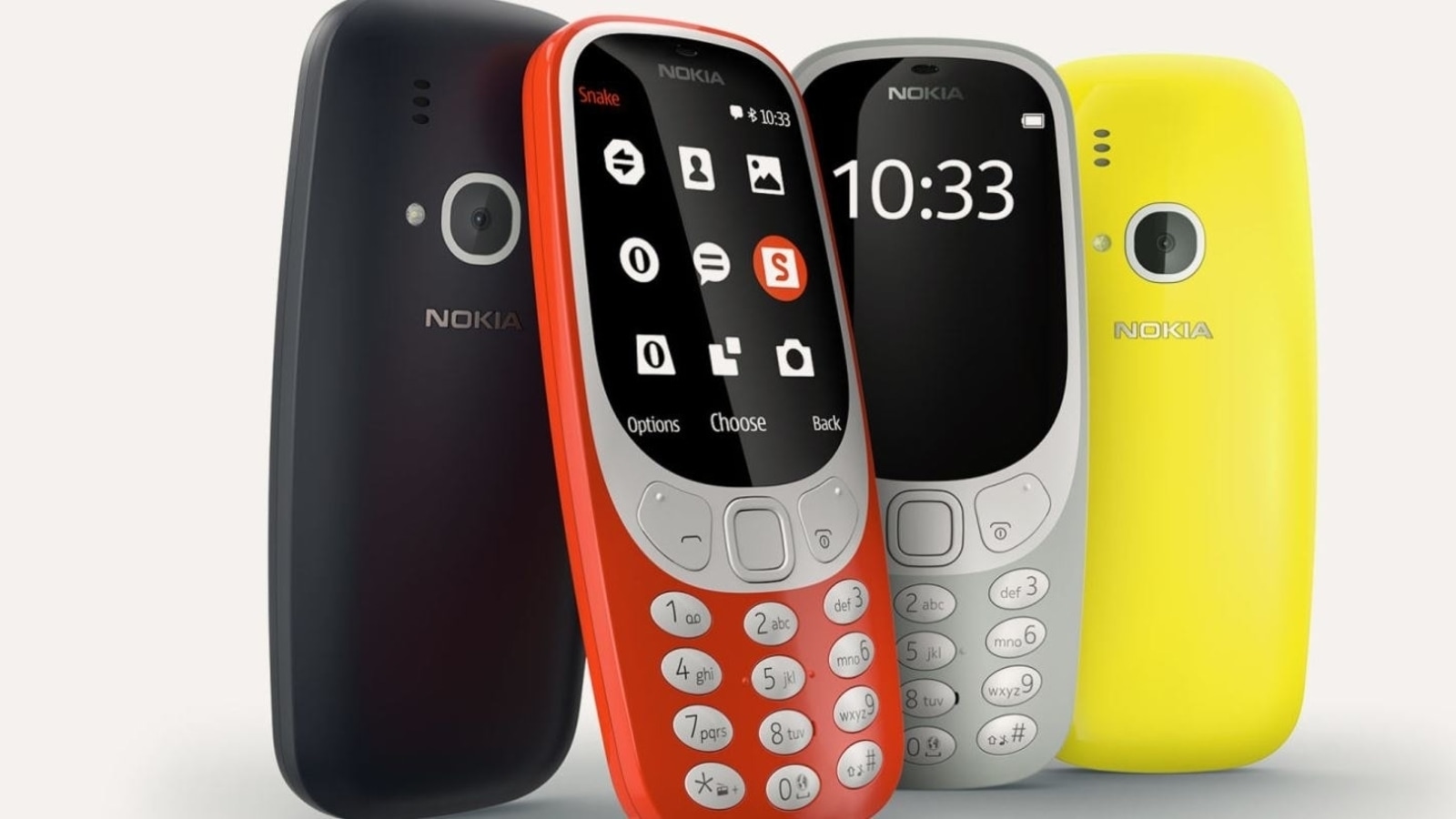
The Nokia 3310 is deemed indestructible, right? Nokia's original “brick phone” has achieved a cult status over the years of flying out unscathed from durability tests. HMD Global, the company that makes Nokia phones now, has now come up with a Nokia 3310 that can be destroyed. It is, in fact so delicate that you can use a knife to cut it and gulp it down.
If you haven't figured out by now, this special “destructible” Nokia 3310 is a small cake that has been commissioned on the 5th anniversary of HMD Global's return. HMD Global brought back Nokia phones to life in 2016 and ever since then, has been the sole maker and distributor of Nokia branded smartphones.
Edible Nokia 3310 on HMD Global's 5th anniversary
“1 December, 2021 – Today is the day when HMD Global completes five years of enhancing the everyday lives of everyone around the world through mobile technology. During this time, our endeavour has been to make phones that get better for years to come, with a design that remains timeless and experience that is future ready,” says HMD Global in a press note.
Over the last five years, HMD Global has made Nokia synonymous with stock Android smartphones. Originally coming up with its own stock Android interface, and transitioning to Android One devices, and back to its iteration of stock Android, the new Nokia has stuck to the concept of simple and easy to use Android phones.
Although HMD Global introduced flagships, midrange and affordable phones in its early years, the brand now sticks mostly to affordable entry-level smartphones. The Nokia C30 is the latest addition to the lineup, which followed the Nokia XR20 smartphone – Nokia's first durable Android smartphone.
In the midst of its smartphone business, HMD Global also resurrected the classic feature phones from the past with modern touches. Hence, we have had these neo-retro Nokia 3310, Nokia Flip phones, and several other popular relics from the past.
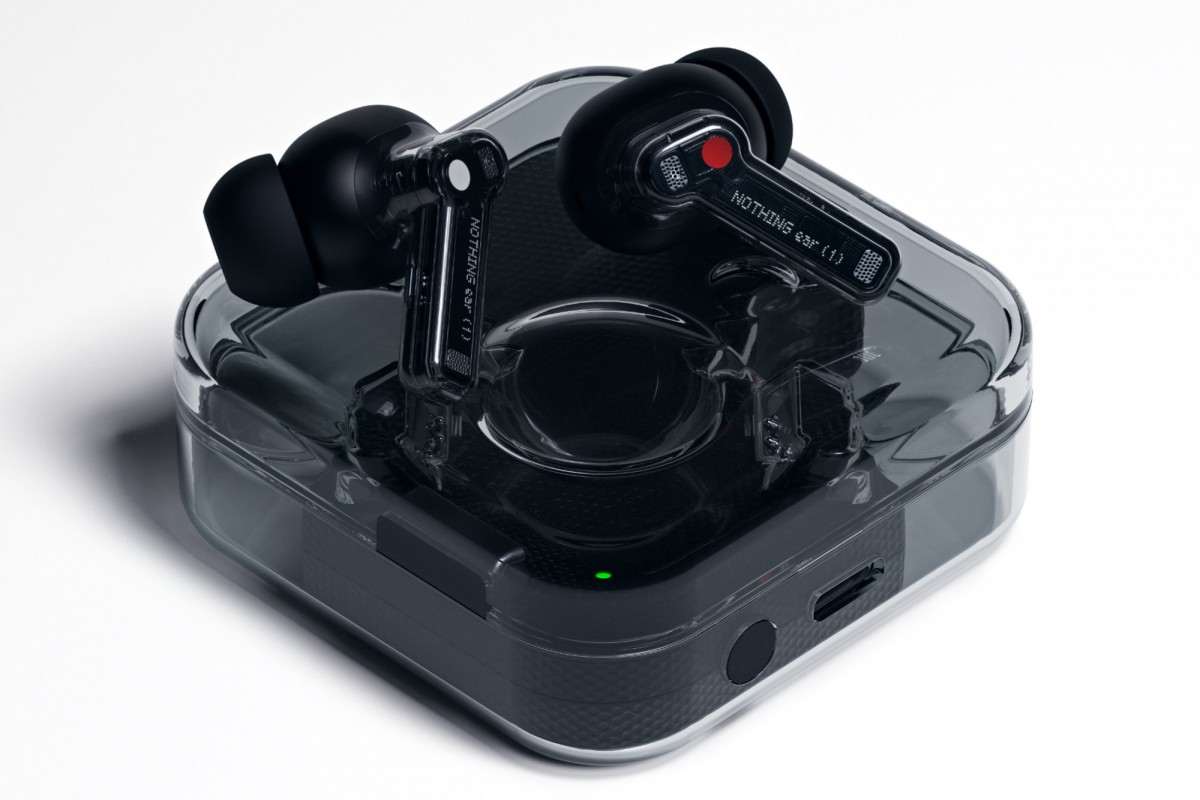
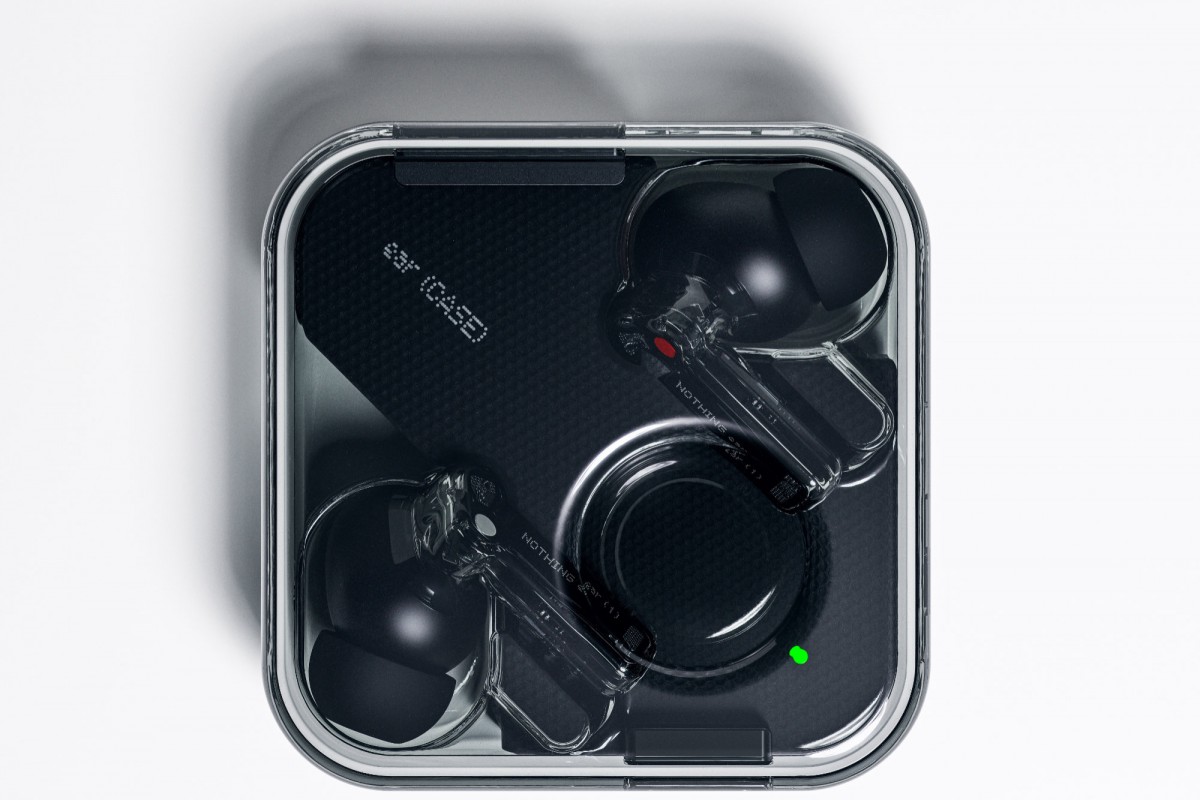
Nothing today announced a new all-black edition of the ear (1) truly wireless earbuds. The company also announced that the product is now carbon neutral and can be purchased using crypto currency.
The new black edition of the ear (1) features a smoky matte black finish for the earbuds along with the usual transparent elements of the standard model. The charging case has also been updated to feature the same matte black finish on the previously white painted elements, with other parts such as the hinge and pairing button also colored to match.
Aside from the color, the black edition is functionally identical to the standard edition, which has sold 220,000 units since it went on sale earlier this year.
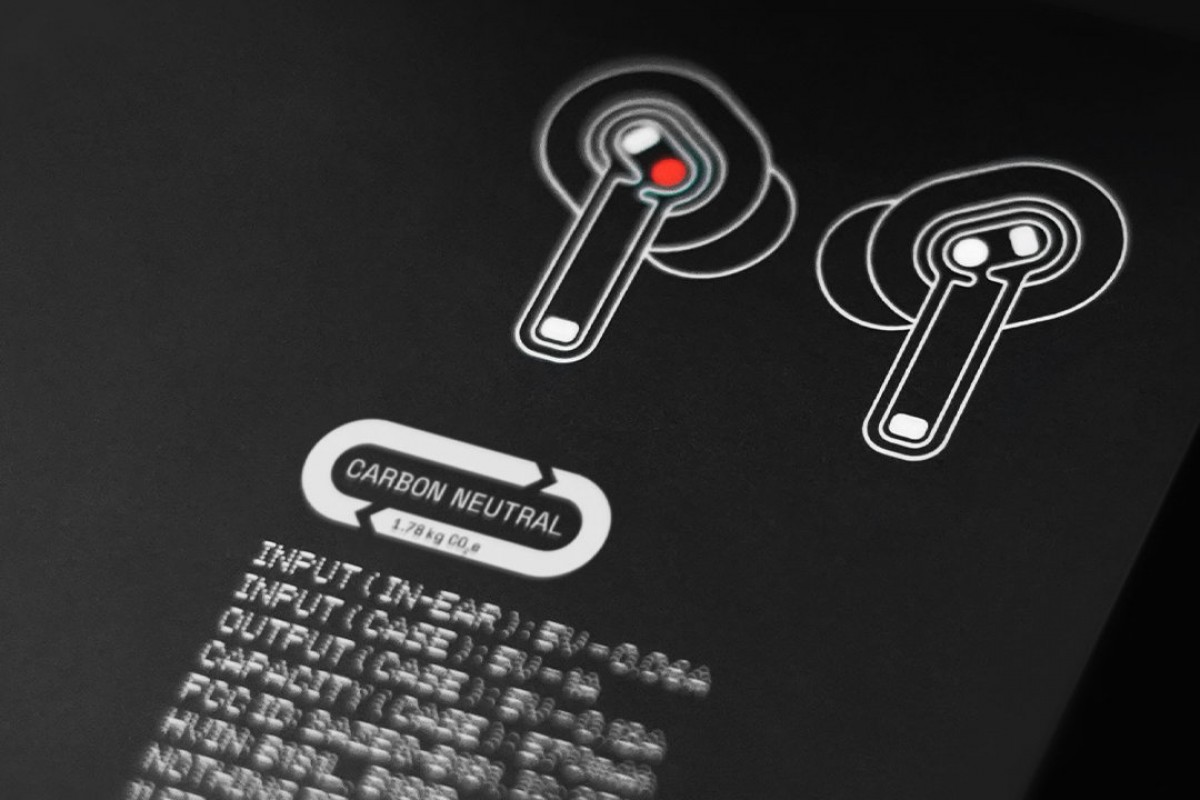
Nothing has also revealed that the ear (1) is now carbon neutral. The company now also prints the carbon footprint of each ear (1) on the box, which in this case is 1.78kg CO2e. Nothing would need to offset this cost through other measures to achieve neutrality, which they do by purchasing international renewable energy certificates (REC).
Nothing will also be accepting cryptocurrency for the first time for purchasing the ear (1) through the company's website. Customers will be able to use Bitcoin, Ethereum, USD Coin, and Dogecoin. This payment option will be available in select countries only, excluding markets like India where crypto transactions are illegal.
The first 100 units of the ear (1) black edition will be individually engraved with the numbers 1 to 100. These will be made available exclusively through the Nothing Kiosk, a new limited installation that will operate from 11:00-19:00 GMT starting from December 4 at Seven Dials, Covent Garden in London. Stock will be limited and available on a first come first serve basis.
Open sales for the ear (1) black edition will start December 13. In India, the sales will be through Flipkart at 12:00PM IST.
Xiaomi 11i Hypercharge RAM and storage configuration has been tipped online ahead of an official announcement. The new Xiaomi phone is speculated to be a rebadged Redmi Note 11 Pro+ that was unveiled alongside the Redmi Note 11 and Redmi Note 11 Pro in October. It is said to coming to India in two colour options. The Xiaomi 11i Hypercharge is also rumoured to have 120W fast charging and come with features including a unibody design and JBL stereo speakers.
91mobiles reports in collaboration with tipster Ishan Agarwal that the Xiaomi 11i Hypercharge will debut in India in a single 8GB RAM + 128GB storage configuration. The phone is also said to have Camo Green and Stealth Black colour options to choose from.
If we believe the past reports, the Xiaomi 11i Hypercharge will be a rebranded version of the Redmi Note 11 Pro+. It will, therefore, have the same list of specifications that was available with the earlier model.
Xiaomi 11i Hypercharge specifications (expected)
The Xiaomi 11i Hypercharge is expected to have a 6.67-inch AMOLED display with a 120Hz refresh rate and a hole-punch design. The phone could also come with an octa-core MediaTek Dimensity 920 SoC and have a triple rear camera setup, with a 108-megapixel primary sensor. The Xiaomi 11i Hypercharge is also likely to have a 4,500mAh battery, with 120W fast charging support.
Xiaomi offered JBL stereo speakers along with Dolby Atmos and Hi-Res audio support on the Redmi Note 11 Pro+. The same setup is expected to be a part of the Xiaomi 11i Hypercharge. Further, you can expect the phone to have NFC support and come with VC liquid cooling.
Official launch date of the Xiaomi 11i Hypercharge is yet to be announced. However, it is tipped to debut sometime in December.
Affiliate links may be automatically generated - see our ethics statement for details.
Jagmeet Singh writes about consumer technology for Gadgets 360, out of New Delhi. Jagmeet is a senior reporter for Gadgets 360, and has frequently written about apps, computer security, Internet services, and telecom developments. Jagmeet is available on Twitter at @JagmeetS13 or Email at jagmeets@ndtv.com. Please send in your leads and tips. More
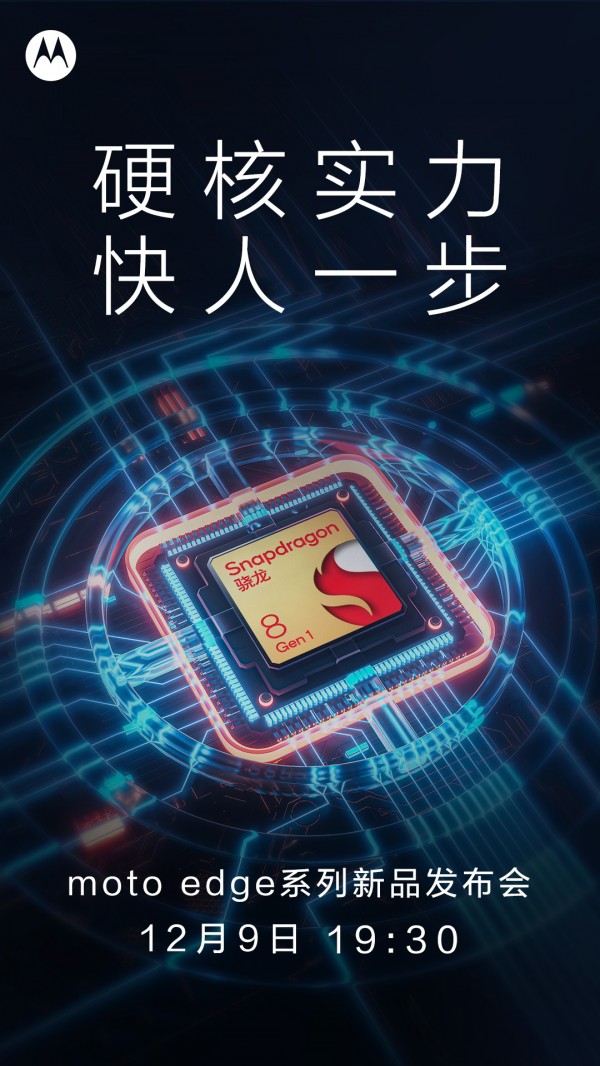
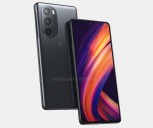
On Tuesday, Qualcomm officially announced its next chipset. The Snapdragon 8 Gen 1 is the chip maker’s first 4nm chipset for smartphones and Motorola has confirmed that the Edge X30 will be its first flagship with the new SoC.
Motorola confirmed via Weibo that the Edge X30 will be announced at a launch event in China on December 9 at 7:30PM local time. The teaser doesn’t confirm anything more about the new Moto Edge device.
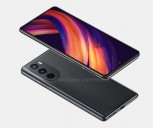
This Motorola phone was rumored all month. 3C certification suggests the Motorola Edge X30 (XT2201-2) will support 68.2W charging for its supposed 5,000 mAh battery. Another leak points to a flat 6.67-inch 144Hz AMOLED screen with HDR10+ support. There’s also word of a 60MP punch hole selfie camera. The triple camera setup shown may consist of a 50MP main camera, 50MP ultra wide, and a 2MP depth sensor.
Motorola Edge X/Edge 30 Ultra (CAD-based renders by @onleaks)
Just a couple of days ago, Lenovo’s General Manager also teased the phone, saying they had it in hand and hyping up fans. There are rumors of both an Edge 30 Ultra and an Edge X30, which we are still not sure refer to the same device. It’s also plausible that Motorola could announce two models with Qualcomm’s new silicon.
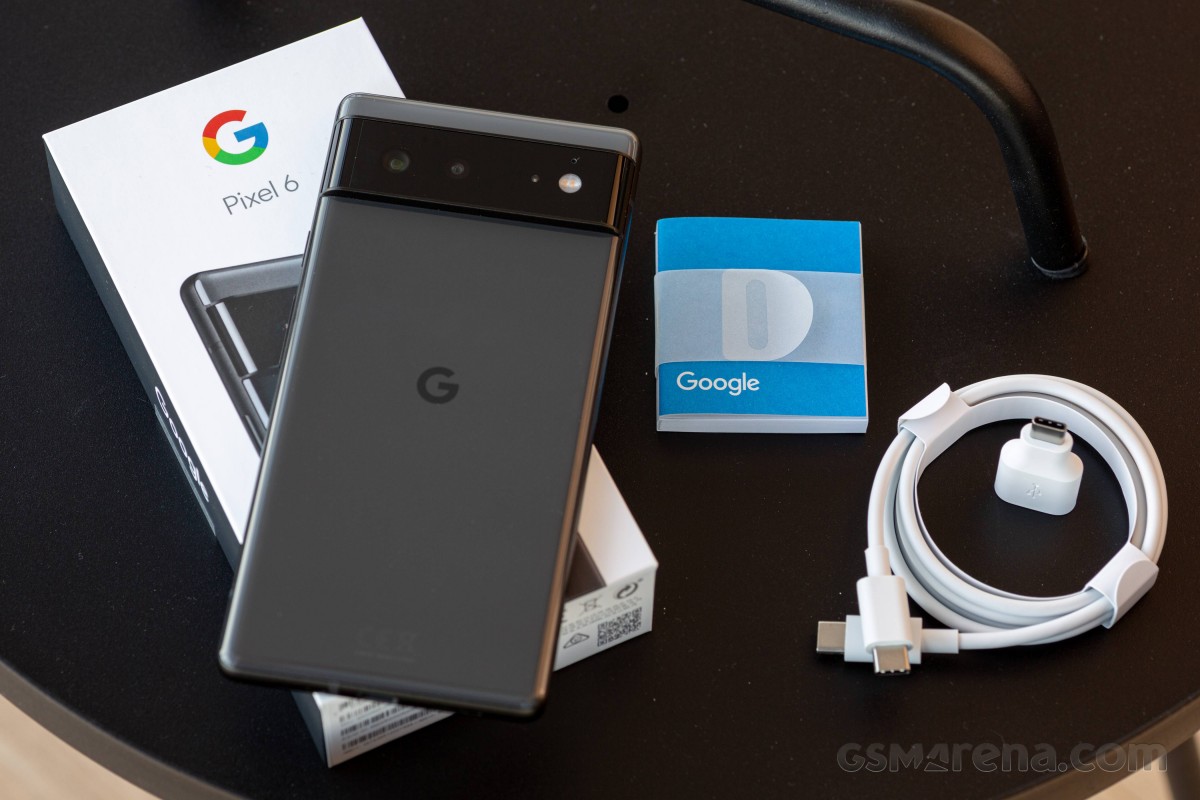
The Google Pixel 6 series has been plagued with numerous issues at launch, although some of the problems have already been ironed out with software updates. However, there seems to be more coming this way. Reports online claim that the Pixel 6 and 6 Pro refuse to charge over some USB-C cables and chargers.
To be fair, Google warned about this and said that some cables and charging bricks won't be compatible with the phone, especially the ones that are not Power Delivery-certified. The reasoning behind this is to protect the device's charging port and battery as there are plenty of problems that may arise from low-quality cables. It's kind of understandable but it's also a bit frustrating given the fact that Google didn't include a compatible charger and cable in the retail box.
So if you are a Google Pixel 6 owner, don't hesitate to shell out a couple of extra bucks for a proper USB-C cable because it might not work with your phone.